The Connected Customer:
Unlocking Relevance Through Unified Identity Intelligence
Insights and imperatives from the 2025 Persona Connections Report

Table of Contents
Introduction
Section 1: The evolving expectation of relevance
Section 2: Identity is not one-dimensional
Section 3: What marketers are missing—and what it costs
Section 4: What it takes to build unified identity intelligence
Section 5: The Data Axle difference
Section 6: From Insight to Action—a Blueprint Forward
Conclusion
Table of Contents
Introduction
Section 1: The evolving expectation of relevance
Section 2: Identity is not one-dimensional
Section 3: What marketers are missing—and what it costs
Section 4: What it takes to build unified identity intelligence
Section 5: The Data Axle difference
Section 6: From Insight to Action—a Blueprint Forward
Conclusion
Introduction
A New Era of Identity
The modern customer journey doesn’t follow a single path—and neither does identity. Individuals now live in blended roles: as professionals shaping business decisions and as consumers navigating personal priorities. Yet, many brands still separate their engagement strategies, drawing outdated lines between B2B and B2C, transactional and relational, data and empathy.
At Data Axle, we see this not just as a data issue—but as a connection imperative.
In our 2025 Persona Connections survey, conducted in partnership with Dynata, we asked both consumers and marketers what drives meaningful engagement in today’s landscape. The message was clear: Customers are open to deeper connections, but only when relevance is paired with trust, context, and consent.
This guide explores how unified identity intelligence can help brands bridge that gap— building smarter, more ethical, and more durable relationships across every touchpoint.
SECTION 1: The Evolving Expectation of Relevance
Relevance is no longer a differentiator—it’s a baseline expectation. But what defines relevance is evolving. Today’s consumers want personalization that reflects their values, respects their boundaries, and demonstrates a brand’s understanding of their full context—not just their last click.
72%
of consumers feel more loyal to brands that tailor their experience
63%
proritize shared values such as sustainability, ethics and transparency—when making purchase decisions
70%
say they’re uncomfortable when personalization crosses the line into intrusiveness
Personalization best practices now demand more than reactive tactics. Consumers aren’t asking brands to know more—they’re asking them to know better. That means building experiences around individual preferences, behaviors, and values—not just digital footprints.
Brands that get personalization right understand that it’s not just about delivering more—it’s about delivering better. The goal isn’t to be omnipresent, but to be meaningfully present. The following examples show how leading companies are raising the bar—by turning relevance into resonance, and personalization into long-term value. From e-commerce to finance, these brands demonstrate what it looks like to personalize with purpose.

BRAND EXAMPLE
The Amazon EffectAmazon was one of the original personalization visionaries. It was one of the first retailers to introduce AI-driven, personalized product recommendations. Amazon’s recommendation engine is more than a convenience— it’s a revenue driver, generating a staggering 35% of the company’s sales and driving 56% of repeat buyers. By analyzing browsing history, purchase behavior, and user preferences, Amazon often surfaces products customers didn’t even know they needed. Personalized suggestions aren’t just a feature—they’re an expectation. And because users must be logged in to view and shop, Amazon’s ecosystem reinforces personalization at every turn, from Subscribe & Save incentives to exclusive daily deals. For consumers, the trade-off is clear: richer, more relevant experiences in exchange for a more connected customer journey.

BRAND EXAMPLE
Ally Bank segments by age to better personalize content and increase engagement71% expect personalized interactions from companies, according to McKinsey & Company, and 76% of consumers become frustrated when these personalized experiences are not delivered. Using smart tools and dynamic content modules, financial institutions can deliver the right content to their customers as they reach certain milestones–like buying their first car or home, saving for their children’s college tuition, or preparing for retirement. Aligning messaging with known milestones is important when it comes to communicating an understanding of your customers and prospects. After all, if you’re targeting city-dwelling college students with content about buying their first house, for example, you might come across as out of touch with their needs.

Media formatting component. Image with Caption

Lorem ipsum dolor sit amet, consectetur adipiscing elit, sed do eiusmod tempor incididunt ut labore et dolore magna aliqua. Ut enim ad minim veniam, quis nostrud exercitation ullamco laboris nisi ut aliquip ex ea commodo consequat. Duis aute irure dolor in reprehenderit in voluptate velit esse cillum dolore eu fugiat nulla pariatur.
Lorem ipsum dolor sit amet, consectetur adipiscing elit, sed do eiusmod tempor incididunt ut labore et dolore magna aliqua. Ut enim ad minim veniam, quis nostrud exercitation ullamco laboris nisi ut aliquip ex ea commodo consequat. Duis aute irure dolor in reprehenderit in voluptate velit esse cillum dolore eu fugiat nulla pariatur.
Lorem ipsum dolor sit amet, consectetur adipiscing elit, sed do eiusmod tempor incididunt ut labore et dolore magna aliqua. Ut enim ad minim veniam, quis nostrud exercitation ullamco laboris nisi ut aliquip ex ea commodo consequat. Duis aute irure dolor in reprehenderit in voluptate velit esse cillum dolore eu fugiat nulla pariatur.
Paragraph Content Component with Media inserted inline with content
 Ally Bank, the completely online banking service, personalizes its campaigns by age. For example, the company sends targeted emails to younger users to teach them about the importance of investing aggressively and early as they begin their careers. 71% expect personalized interactions from companies, according to McKinsey & Company, and 76% of consumers become frustrated when these personalized experiences are not delivered.
 Using smart tools and dynamic content modules, financial institutions can deliver the right content to their customers as they reach certain milestones–like buying their first car or home, saving for their children’s college tuition, or preparing for retirement. Aligning messaging with known milestones is important when it comes to communicating an understanding of your customers and prospects. After all, if you’re targeting city-dwelling college students with content about buying their first house, for example, you might come across as out of touch with their needs. Ally Bank, the completely online banking service, personalizes its campaigns by age.
 For example, the company sends targeted emails to younger users to teach them about the importance of investing aggressively and early as they begin their careers.
11
metric grid - 2, 3 or 6 column
22
metric grid with icon
33
layout/background not editable. No title field
Lorem ipsum dolor sit amet, consectetur adipiscing elit, sed do eiusmod tempor incididunt ut labore et dolore magna aliqua. Ut enim ad minim veniam, quis nostrud exercitation ullamco laboris nisi ut aliquip ex ea commodo consequat. Duis aute irure dolor in reprehenderit in voluptate velit esse cillum dolore eu fugiat nulla pariatur.
“Effective personalization is no longer about simply using more data—it’s about using data more thoughtfully. Brands must move beyond transactional signals and embrace a values based, context-aware approach. This means understanding not just what customers do, but also why they do it—and aligning personalization with their evolving expectations around ethics, privacy, and emotional intelligence. The future of relevance lies in building trust through meaningful, respectful, and purpose-driven experiences.”
 Tim Smith,President, The Axle Agency
SECTION 2: The Evolving Expectation of Relevance
Too often, personalization efforts remain confined to one aspect of identity—either consumer behaviors or professional attributes. This siloed view leads to missed connections and disjointed experiences. Our findings reinforce this:
90%
of marketers agree that integrating B2B and B2C data improves engagement
34%
are actively executing on the strategy
78%
of consumers believe their experience would improve if brands responsibly combined their personal and professional data
This is the identity disconnect—caused by outdated systems, compliance fears, and lack of unified governance. The result is lost opportunities, misfires in messaging, and fractured brand trust.
Recognizing the full scope of a person’s identity—both who they are at home and who they are at work—is key to delivering relevance that truly resonates. When brands bridge this gap, they don’t just personalize better—they engage deeper.
The following case study shows how one organization leveraged a connected view of identity to drive meaningful growth and long-term value.
CASE STUDY
A Wholesale Club Bridges Business and Consumer Identity to Drive Membership Growth
A leading wholesale club turned to Data Axle to better connect with its customers by understanding them as both consumers and professionals. While the club had a strong base of individual members, it saw untapped potential in its business membership segment.
Using Data Axle’s ProfileFuse™, the brand analyzed its consumer membership base to identify individuals who were also affiliated with businesses—especially those who could benefit from a business-level membership. With this insight, they deployed tailored messaging that acknowledged each member’s current relationship with the brand while highlighting the added value of a business membership.
The results went deeper than one campaign. The club uncovered that business members often shared key traits:They were heads of household, had children at home, and owned multiple vehicles. In contrast, many consumer members held roles below the managerial level—suggesting that elevating the conversation for those with growing responsibilities could trigger an upgrade.
Armed with this connected view, the brand refined its targeting strategy—delivering messages that reflected each member’s professional and personal journey. The outcome: a 15% lift in membership upgrades, proving the power of unified identity to unlock smarter engagement and sustainable growth.
SECTION 3: What Marketers Are Missing—and What It Costs
Marketers are not lacking in data—they’re challenged by fragmentation, inaction, and misalignment. From our marketer survey: Our findings reinforce this:
- 60% cite data quality and integrity as their top concern
- 57% are worried about compliance and regulatory risk
- 30 struggle to unify data across platforms
When identity remains siloed, personalization becomes generic. And generic messaging doesn’t just miss the mark—it can damage credibility:
- 26% of consumers say mistargeted messages diminish their perception of a brand.
- Only 9% of marketers feel confident their current data strategies are transformational.
In today’s high-stakes environment, failing to connect meaningfully is more than a missed opportunity—it’s a strategic risk. When data is fragmented or misaligned, even the best intentions can result in off-target messaging. But when brands take action to unify their data and respond to real-world context, they can build trust—even in times of uncertainty. The following examples from Marriott Bonvoy and Lands’ End show how timely, relevant, and empathetic communication can strengthen relationships and drive results, even during moments of crisis and rapid change.
 “Having more data doesn’t guarantee better marketing—what matters is how effectively that data is unified, governed, and activated. Fragmentation and inaction turn valuable insights into missed opportunities, while mistargeted messaging erodes trust. To remain competitive and credible, marketers must shift from data accumulation to data orchestration—creating aligned, context-aware strategies that enable agile, meaningful customer engagement at every touchpoint.”
CASE STUDY
Marriott Bonvoy–Connecting with Consumers During a Crisis
At Data Axle, we encourage brands to connect with consumers during pivotal cultural events and shifts. These events span everything from holidays to sporting events, important life milestones, and the overall geopolitical landscape. During the COVID-19 pandemic, Marriott used consumer data to tailor its messaging in order to connect with consumers and their evolving needs and concerns. Marriott’s 2020 Memorial Day email used dynamic content and personalized messaging based on consumers’ locales, providing fun ideas for places within driving distance that were safe, outdoors, and near a Marriott hotel. The email generated above-average unique open and click rates, with an open rate of 16% and a clickthrough rate of 9%. The campaign generated the highest conversion rate that month.
Marriott also encouraged a positive attitude with its messaging. During the pandemic, it decided to offer a sweepstakes titled “Dreaming of Brighter Days” to encourage its customers to be hopeful about what’s to come and give them a taste of the hotel amenities they’ve been missing while staying at home.

CASE STUDY
Lands' End Finds Success as Consumers' Needs ShiftSince 2020, the boundaries between work and home have blurred. That has changed the needs of many consumer households. Lands’ End knew that consumers still needed their products; they just required items that fit their new lifestyle. Women might not be buying party dresses, but they are in need of a new pair of comfortable pants. Lands’ End shifted their messaging to fit their customers’ new needs, offering comfortable clothes they could wear to work and learn from home.
SECTION 4: What It Takes to Build Unified Identity Intelligence
Personalization without unified identity is like a map without coordinates. To create truly connected experiences, brands need a permissioned, cross-context identity framework that evolves with the customer.
What Unified Identity Intelligence Looks Like:
Cross-Context Resolution
Connect personal and professional profiles without compromising privacy.
> Know when a consumer is also a business decision-maker.
Real-time enrichment
Layer demographic, transactional, behavioral, and psychographic data into dynamic profiles.
> Shift from reactive campaigns to predictive engagement.
Consent-first governance
Embed compliance, transparency, and ethical standards at every step.
> Build trust while delivering personalized value.
Channel-agnostic activation
Engage consistently across email, social, CTV, sales, and service.
> Eliminate channel bias and meet customers wherever they are.
Building unified identity intelligence isn’t just about having more data—it’s about having the right data, structured in a way that enables real-time, relevant action. When brands enrich their understanding of each customer and activate insights across channels, they can tailor experiences that feel personal, respectful, and effective.
The following example shows how one health and nutrition brand put these principles into practice— using enriched identity data to create segmented, high-impact messaging that reduced attrition and boosted engagement.
BRAND EXAMPLE
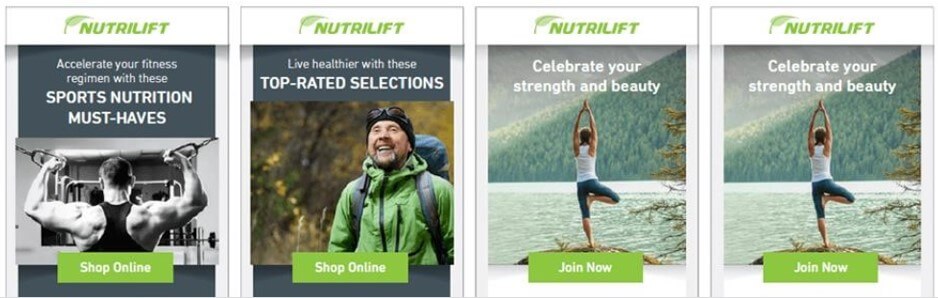
A leading health and nutrition chain increases email creative personalization to reduce attrition
Data Axle worked with a leading health chain to reduce subscriber attrition and increase conversion rates for its email marketing program. With the help of data enhancement, Data Axle matched demographic information to the brand’s subscriber base and identified common attributes of users who unsubscribed vs. those who clicked. This analysis found that unsubscribe rates were highest among older men and younger women.
To capitalize on these findings, the retailer developed and tested custom creative informed by gender and age for each of these subscriber segments. The creative aimed toward each audience had different messaging, images, and CTAs. For example, the creative for men used eye-catching bold, all-caps tag lines to grab attention. The copy itself used persuasive words, such as “top-rated” and “must-haves.” The ads targeting toward the female audience used a less aggressive tone and encouraged them to celebrate their strength. The results were exactly what the brand hoped–a lower unsubscribe rate and more engaged audiences.
“True personalization requires more than isolated data points—it demands a unified, cross-context identity strategy grounded in privacy, enrichment, and omnichannel execution. By aligning ethical data practices with dynamic, real-time insights, marketers can move from reactive outreach to proactive, predictive engagement. This shift enables brands to deliver experiences that are not only highly relevant but also trusted and scalable across every customer touchpoint.”
SECTION 5: The Data Axle Difference
At Data Axle, we don’t just provide data—we help brands operationalize connection.
How We Help Brands Personalize with Purpose:
- Permissioned Data at Scale
Millions of verified consumer and business records, constantly refreshed. - Best-in-Class Identity Graphs
Deterministic matching across personal and professional identifiers. - Data Orchestration Infrastructure
Seamless activation through flexible APIs and CDP integrations. - Deep Industry Expertise
Strategic insights in retail, financial services, tech, healthcare, and insurance. - Privacy and Compliance
Built-In Governance-first systems that enable personalization without compromise.
From omnichannel campaigns to ABM strategies, we help brands deliver personalization that resonates—and earns trust.

This is a featured topic card
Minimal copy formatting. Bullet styling and paragraph formatting are buggy. Adding an emoji seems to work.
Personalization without unified identity is like a map without coordinates. To create truly connected experiences, brands need a permissioned, cross-context identity framework that evolves with the customer.
SECTION 6: From Insight to Action—a Blueprint Forward
Step 1: Audit the Gaps
Begin by thoroughly assessing your current identity ecosystem to identify where customer and prospect identities are fragmented or siloed. Examine whether your B2B and B2C data systems are integrated or operating independently, which can cause incomplete or inconsistent views of the individual. Review your data governance models to ensure roles, responsibilities, and policies are clearly defined and consistently enforced across teams. This comprehensive audit will reveal critical gaps that hinder seamless identity resolution and customer understanding.
Step 2: Define Consent Protocols
Create a detailed map of how customer consent is collected, stored, and managed across all touchpoints and channels. This includes understanding the legal and regulatory requirements that apply to your data collection practices, such as GDPR, CCPA, or other regional frameworks. Vet all third-party data providers and partners to ensure their consent practices align with your standards and compliance needs. Identify any compliance gaps or risks, and implement processes to close them, building trust and protecting customer privacy.
Step 3: Enrich with Purpose
Go beyond basic demographic data by incorporating rich psychographic insights and professional attributes into your identity profiles. This deeper context enables you to understand customer motivations, values, and behaviors—not just surface-level targeting criteria. Focus on meaningful enrichment that helps you craft relevant, personalized experiences that resonate emotionally and professionally, leading to more authentic and effective engagement.
Step 4: Activate with Agility
Leverage real-time identity data to power dynamic, contextually relevant actions across all customer touchpoints—not limited to advertising media. Use this data to inform personalized content, customer service interactions, product recommendations, and sales outreach, adapting quickly as new information becomes available. This agile activation helps you meet customers where they are, anticipate their needs, and deliver seamless experiences that drive stronger connections and business outcomes.
Step 5: Measure What Matters
Shift your focus from traditional metrics like clicks and conversions to more meaningful indicators of customer engagement and loyalty. Track emotional loyalty signals, alignment between brand values and customer values, and long-term retention rates to better understand how well your identity strategies are fostering deep, sustained relationships. Use these insights to refine your approach and demonstrate the true business impact of your unified identity efforts.
Conclusion: Relevance Is Earned
Unified identity is the foundation of that understanding. The brands that will lead in the years ahead won’t be the ones with the most data—but the ones with the clearest understanding of their customers. At Data Axle, we believe the future of connection is ethical, contextual, and continuous. It’s not just about better targeting—it’s about deeper knowing. Not just segmentation—but authentic engagement. We’re not just helping brands personalize. We’re helping them build lasting connections—with clarity, integrity, and relevance that stands the test of time.